







Electric vehicles (EVs) have become one of the biggest topics in the automotive industry. Manufacturers continue introducing new electric models, governments encourage cleaner transportation, and charging networks continue expanding.
Yet one question continues to appear among consumers:
If people keep asking for affordable electric vehicles, why aren’t cheaper EVs selling well?
The answer is more complicated than simply saying Americans don’t want electric cars.
Recent online discussions reveal that buyers actually like the idea of affordable EVs—but many believe today’s options fail to deliver the value they expect.
Let’s examine the biggest reasons behind this trend.
Americans Want Affordable Cars—Not Just Affordable EVs
The first misconception is that buyers specifically reject inexpensive electric vehicles.
Instead, many consumers argue that new vehicles in general have become expensive, regardless of whether they use gasoline or electricity.
A compact electric hatchback priced around $30,000 may technically be among the least expensive EVs available today, but many households still don’t consider that affordable.
For buyers with limited budgets, spending tens of thousands of dollars on any new vehicle remains difficult.
As a result, shoppers often compare:
- A new budget EV
- A slightly used premium EV
- A used gasoline vehicle
Rather than comparing only new electric cars.
This dramatically changes purchasing decisions.
Used EVs Offer Better Value
One of the strongest themes emerging from consumer discussions is the growing used EV market.
Electric vehicles generally depreciate faster than comparable gasoline vehicles during their first few years.
For buyers, this creates opportunities.
Instead of purchasing a brand-new entry-level EV, many shoppers can buy:
- Tesla Model 3
- Hyundai Ioniq 5
- Volkswagen ID.4
- Chevrolet Bolt
- Mercedes EQE
for similar—or sometimes even lower—prices after depreciation.
Many consumers believe these lightly used vehicles provide:
- Better interiors
- More range
- More technology
- Faster charging
- Greater comfort
than newly introduced budget EVs.
This makes affordable new electric cars a difficult sell.
Consumers Expect More Than Just a Lower Price
Price alone rarely determines whether a vehicle succeeds.
Modern buyers evaluate an entire package including:
- Driving range
- Charging speed
- Technology
- Interior quality
- Reliability
- Safety
- Warranty
- Brand reputation
Many commenters argued that some inexpensive EVs compromise too much to reduce cost.
Examples frequently mentioned include:
- slower DC fast charging
- shorter driving range
- fewer convenience features
- limited infotainment systems
- discontinued software support concerns
Consumers may accept fewer luxury features, but they still expect an EV to feel like a complete vehicle.
Fear of Discontinued Models
Another surprisingly important concern involves manufacturer commitment.
Several buyers expressed hesitation toward vehicles already announced for discontinuation shortly after launch.
When shoppers hear statements like:
- production ending soon
- replacement model coming
- one-year production run
they naturally begin worrying about:
- replacement parts
- software updates
- resale value
- dealership support
- long-term repairs
Unlike smartphones that may be replaced every few years, many Americans expect to own their vehicles for a decade or longer.
Confidence in long-term manufacturer support therefore becomes extremely important.
Charging at Home Is Still a Major Advantage
One interesting observation repeated by many EV owners is that the biggest benefit of electric vehicles comes from home charging.
Drivers who own homes with garages often enjoy:
- charging overnight
- lower electricity costs
- convenience
- fewer trips to gas stations
However, apartment residents face different challenges.
Without reliable charging at home, owning an EV becomes much less convenient.
Public charging continues improving, but relying exclusively on charging stations introduces:
- waiting time
- planning
- availability concerns
- higher charging costs
This infrastructure gap discourages many potential buyers.
Price Isn’t the Only Definition of “Affordable”
Affordable means different things to different families.
For one household:
Affordable may mean:
- under $40,000
For another:
Affordable means:
- under $20,000
Others simply cannot justify purchasing a new vehicle regardless of technology.
Many online discussions suggest that consumers don’t necessarily want the cheapest EV available.
Instead, they want the best value for their money.
If spending only a few thousand dollars more delivers:
- extra range
- larger size
- better performance
- more technology
buyers often choose the higher-priced option.
This is a common pattern across the automotive industry—not just electric vehicles.
Dealership Experiences Continue to Affect EV Sales
Several consumers also shared frustration with dealership experiences.
Unlike direct-to-consumer brands, traditional dealerships sometimes prioritize gasoline vehicles because they:
- generate more maintenance revenue
- are easier to explain
- have higher profit margins
- match existing sales strategies
Some buyers reported arriving specifically to purchase an electric vehicle only to be encouraged toward gasoline-powered alternatives instead.
Poor product knowledge among sales staff can further discourage first-time EV shoppers.
Someone curious about charging, battery health, or tax incentives may leave with unanswered questions.
Charging Speed Still Matters
One recurring concern from buyers is that affordability alone does not guarantee a successful EV. Many shoppers compare charging performance just as closely as they compare purchase price.
While several budget EVs now offer driving ranges between 250 and 300 miles, some buyers remain hesitant because their DC fast-charging speeds lag behind newer 800-volt EV platforms. For people who regularly take long road trips, spending an extra 15–25 minutes at each charging stop can influence purchasing decisions.
For daily commuting, slower charging may not matter much. However, road-trip capability continues to influence buying decisions even among people who rarely travel long distances.
Government Incentives Can Dramatically Change Demand
Many commenters pointed out that EV sales are strongly influenced by tax credits and government incentives.
When purchase incentives are available, buyers often move quickly to complete their purchases before those programs expire. Once incentives disappear, demand frequently slows—not necessarily because consumers suddenly dislike electric vehicles, but because the overall value proposition changes.
This makes year-to-year comparisons difficult.
A decline in sales after an incentive ends does not automatically prove that consumers have lost interest in EVs.
Instead, it often reflects changing affordability.
Charging Infrastructure Remains a Major Challenge
Although charging networks continue expanding, infrastructure remains one of the largest obstacles for widespread EV adoption.
Consumers repeatedly mentioned that owning an electric vehicle works best when drivers can:
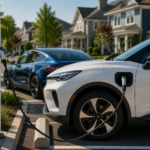
- Charge at home
- Charge at work
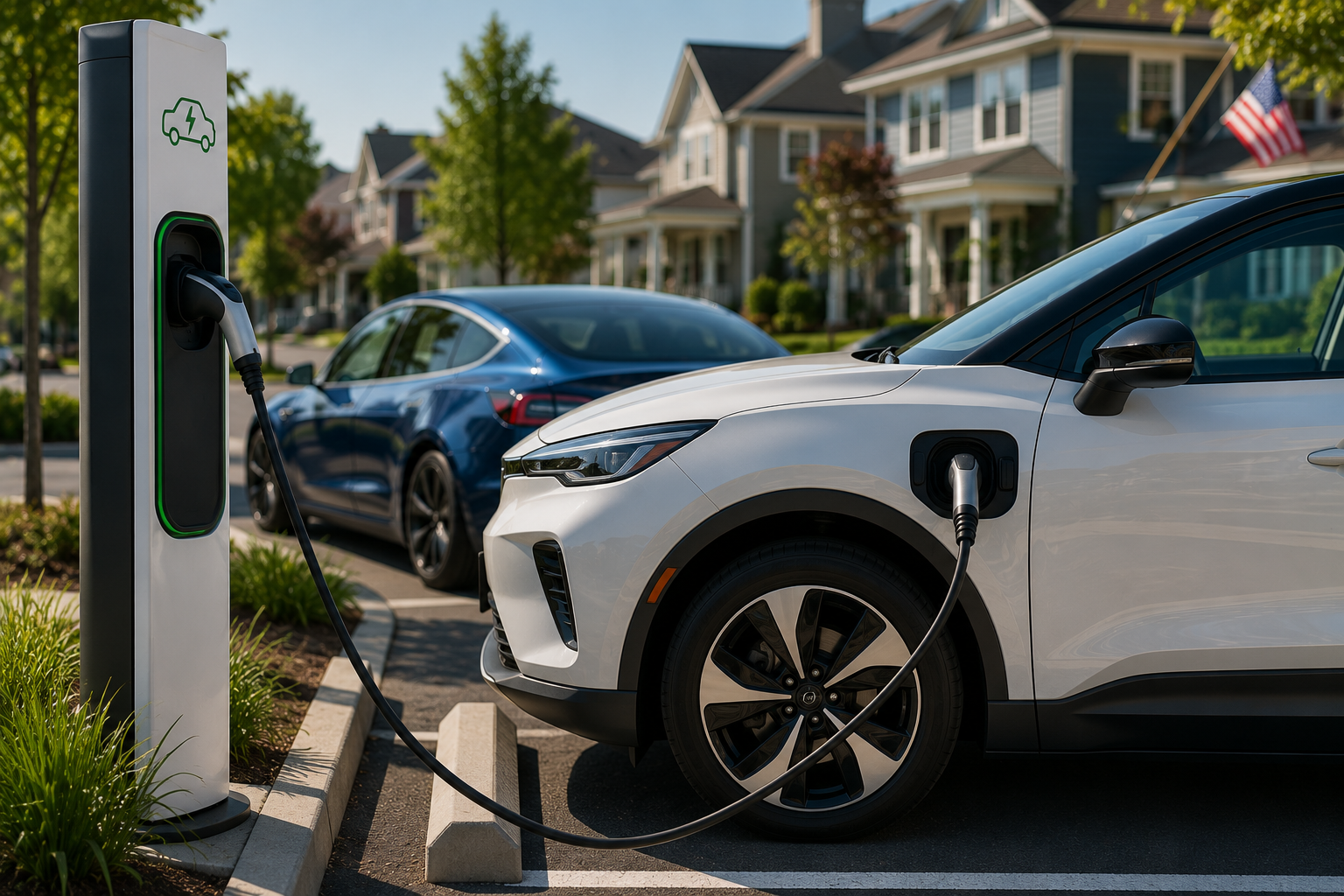
- Depend on reliable public fast chargers
Without these options, an EV may become less convenient than a gasoline vehicle.
Apartment residents face particular challenges because they often cannot install home chargers.
Several participants explained that if overnight charging were available at their apartment complexes, they would already own an EV.
Americans Often Compare EVs to Larger Vehicles
Another interesting trend is consumer expectations.
Many affordable EVs are compact hatchbacks or small crossovers.
However, American buyers increasingly prefer:
- SUVs
- Pickup trucks
- Large crossovers
As a result, buyers sometimes compare a compact EV with a much larger gasoline vehicle offering:
- More cargo space
- Higher seating position
- Greater towing capability
- More passenger room
Even if the EV costs less to operate, some consumers simply prefer the practicality of larger vehicles.
Dealer Inventory and Marketing Also Matter
Some commenters argued that affordable EVs are difficult to buy simply because many dealerships carry limited inventory.
Potential buyers described experiences where:
- Entry-level trims were unavailable
- Dealers stocked only expensive versions
- Test-drive vehicles were unavailable
- Sales staff encouraged gasoline alternatives instead
Poor marketing can further reduce awareness.
Several participants even noted that many shoppers were unaware certain affordable EV models had returned to production.
When customers cannot easily see, test, or compare vehicles, sales naturally suffer.
Used EV Depreciation Creates a Difficult Market
Perhaps the strongest theme throughout the discussion was the remarkable value available in the used EV market.
Because many electric vehicles depreciate quickly during their first few years, buyers frequently find premium used EVs selling for prices close to new entry-level models.
For example, instead of purchasing a brand-new budget EV, some shoppers reported choosing lightly used vehicles with:
- Longer driving range
- Higher-quality interiors
- Better technology
- Faster charging
- More premium features
From a value perspective, many consumers believe used EVs currently offer the better deal.
Are Affordable EVs Really the Problem?
Based on the discussion, the answer appears to be no.
The debate suggests that consumers are not rejecting affordable electric vehicles simply because they are electric.
Instead, buyers are carefully weighing several factors, including:
- Purchase price
- Charging convenience
- Long-term manufacturer support
- Vehicle size
- Driving range
- Charging speed
- Available incentives
- Dealer experience
- Used vehicle alternatives
For many shoppers, today’s affordable EVs simply do not provide enough additional value compared with competing options.
Will Affordable Electric Vehicles Become More Popular?
The outlook remains promising.
As battery technology improves and manufacturing costs decline, future budget EVs are expected to offer:
- Longer range
- Faster charging
- Better software
- Improved reliability
- Lower ownership costs
At the same time, expanding charging infrastructure and a growing used EV market could make electric transportation accessible to a broader group of drivers.
Manufacturers that combine competitive pricing with strong features and long-term support are likely to attract the greatest interest.
Frequently Asked Questions
Why aren’t affordable electric vehicles selling well?
Consumers consider more than purchase price. Charging infrastructure, range, dealership experiences, long-term support, and overall value all influence buying decisions.
Is buying a used electric vehicle a good idea?
Many buyers believe lightly used EVs provide excellent value because depreciation can significantly reduce prices while still offering modern features and remaining warranty coverage.
Do electric vehicles cost less to maintain?
Electric vehicles generally require fewer routine maintenance items because they do not need services such as engine oil changes. Maintenance costs still vary depending on the manufacturer and driving conditions.
Is charging at home necessary?
Home charging is one of the biggest advantages of EV ownership. Drivers without reliable home or workplace charging may find ownership less convenient.
Are affordable EVs expected to improve?
Yes. Battery technology, charging speeds, software, and manufacturing efficiency continue to improve, which may lead to more competitive entry-level electric vehicles over the next several years.
Final Thoughts
The conversation around affordable electric vehicles shows that the issue is far more complex than simple consumer demand. Buyers are not rejecting budget EVs outright—they are evaluating the complete ownership experience.
Pricing remains important, but so do charging convenience, dealership support, vehicle capabilities, and confidence that manufacturers will stand behind their products for years to come. As technology matures and infrastructure expands, affordable EVs could become a much stronger option for mainstream American drivers.