





If you’ve been scrolling through solar forums this week, you’ve probably seen the panic headlines: “FCC bans foreign solar inverters,” “grid lockout begins,” “your system could be illegal.” Take a breath. The reality is more nuanced than the scariest posts suggest — but it’s also a genuinely significant shift for the U.S. solar industry, and it’s worth understanding exactly what changed, why, and who it actually affects.
Here’s a clear, no-hype breakdown of the new FCC rule, based on the agency’s own filings and reporting from multiple energy-industry outlets.
What the FCC Actually Did
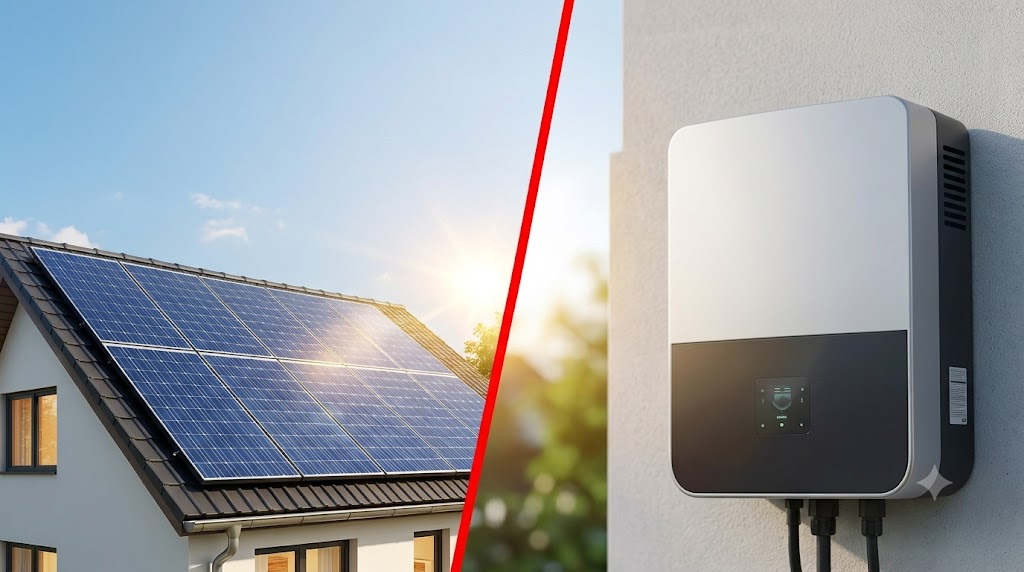
On Tuesday, July 28, 2026, the Federal Communications Commission’s Public Safety and Homeland Security Bureau added foreign-produced connected power inverters to its “Covered List.” This is the same regulatory tool the FCC has previously used against companies like Huawei and DJI.
Being placed on the Covered List means a device generally cannot receive the FCC equipment authorization required to be imported, marketed, or sold in the United States. In practical terms: new inverter models manufactured overseas can no longer get approved for the U.S. market, effective immediately, with no phase-in period.
FCC Chairman Brendan Carr framed the move as part of a broader push to secure U.S. critical infrastructure, saying the agency was acting alongside national security agencies at the direction of an executive branch interagency body.
Does This Affect the Solar System You Already Have?
For most existing solar owners, the short answer is no — not right now.
The rule applies only to new equipment models seeking authorization going forward. According to the FCC’s own fact sheet:
- Previously authorized inverter models can still be imported, sold, installed, and used.
- People who already own affected equipment do not need to remove or replace it.
- The FCC issued a temporary waiver allowing firmware and software updates for already-approved devices to continue through at least January 1, 2029.
So if your rooftop system is already up and running, or you’ve already purchased hardware with an existing FCC ID, you’re not in violation of anything. The bigger impact falls on installers, developers, and anyone shopping for new equipment models that haven’t yet been through the approval pipeline.
Why the FCC Says This Is Necessary
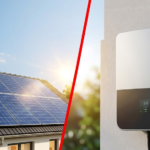
The justification centers on cybersecurity rather than physical sabotage. Regulators argue that modern “smart” inverters are networked devices — many connect to the internet for remote monitoring, firmware updates, and app-based controls. That connectivity, the FCC’s national security determination warns, could theoretically let a foreign adversary:
- Remotely disable inverters en masse
- Collect and exfiltrate data from home or utility networks
- Use the device as a foothold to access other systems on the same network
Because inverter-based solar and battery resources now make up a growing share of the U.S. grid, officials argue that a coordinated remote shutdown could cause real instability, especially in states where solar contributes heavily to daytime generation.
The Counterargument: What Critics Are Pointing Out
This is where the story gets more contested, and it’s worth presenting both sides fairly.
The timing and evidence gap. A Department of Energy review conducted in January 2026 reportedly inspected around 30 Chinese-made inverters and found no evidence of hidden malicious hardware. Critics argue the FCC’s decision effectively sets that finding aside in favor of a broader, harder-to-verify claim about remote software risk.
Market concentration. Industry data cited in the rule itself notes that domestically headquartered manufacturers supply only a small share of the U.S. inverter market, with global shipments historically dominated by a handful of overseas manufacturers. Critics argue this means the rule disproportionately reshapes the market rather than closing a narrow security gap.
Winners and losers. Because the rule applies based on where equipment is produced, not the nationality of the company that owns the brand, some manufacturers with U.S.-based assembly are largely shielded, while others reliant on overseas production face new hurdles. This has fueled speculation — visible throughout online solar communities — about which companies stand to benefit competitively. It’s worth noting stock prices for a couple of major inverter brands moved noticeably in the days following the announcement, which is a real market signal, even if the underlying political motivations remain a matter of public debate.
Growth forecasts at stake. Solar, batteries, and wind made up the overwhelming majority of new U.S. generating capacity added in 2025, and forecasts expected that trend to continue through 2026. Analysts caution that while near-term projects are largely insulated because they rely on already-approved hardware, the rule could create supply bottlenecks down the road as older approved models eventually become obsolete and manufacturers are forced through a narrower approval pipeline for anything new.
What This Means If You’re Considering Solar Right Now
If you’re currently getting quotes or planning an install, here’s the practical takeaway:
- Ask your installer which inverter brand and model they’re proposing, and whether it already holds FCC authorization. Most active, in-stock products from established brands already do.
- Don’t panic about “illegal” existing systems. Nothing in this rule requires removing or replacing equipment you already own or have already contracted for.
- Expect possible price or selection shifts over time, particularly for newer inverter models or emerging brands that haven’t yet secured authorization, since the approval pathway for new foreign-made units is now considerably steeper.
- Battery storage buyers should ask the same question about their battery’s inverter/hybrid component, since many home battery systems use inverters built by the same manufacturers affected by this rule.
The Bottom Line
The FCC’s move is a genuine regulatory shift, framed around a real and increasingly discussed category of cybersecurity risk: internet-connected grid hardware. Whether the response is proportionate to the actual threat — or is more about reshaping who dominates a fast-growing market — is a legitimate point of disagreement, and reasonable people in the energy and cybersecurity worlds land on different sides of it.
What’s clear is this: existing solar installations are not affected today, the rule targets future product approvals rather than a recall, and the practical impact will play out gradually as the market adjusts to a narrower list of approved new hardware. Anyone shopping for solar or battery storage in the coming months should simply build “confirm FCC authorization status” into their due diligence checklist — the same way you’d check any other product certification before signing a contract.
This article reflects publicly available regulatory filings and reporting as of late July 2026. Rules like this can be amended, waived, or expanded, so if you’re mid-project, it’s worth confirming current status directly with your installer or the FCC’s public notices before making final decisions.