






Thinking about going solar? Before you sign a contract, it’s worth hearing from people who already went through it — the good, the frustrating, and the “why didn’t anyone tell me this” moments. A recent thread in a popular solar owners’ community asked exactly that: what’s one thing you wish you’d known before installing solar? Hundreds of homeowners answered, and their experiences paint a much more complete picture than any sales brochure ever will.
Below, I’ve pulled together the most useful lessons from that conversation, added some context from trustworthy energy resources, and organized everything so you can actually use it when planning your own system.
1. Bigger Is (Almost) Always Better — Oversize Your System From the Start
If there’s one lesson that came up over and over, it’s this: install more panels than you think you need. Homeowner after homeowner said the same thing — they sized their system for their electricity use at the time, only to regret it a year or two later once their needs grew.
Why does this happen so often? Because life changes faster than most people expect. People who install solar tend to also lean into other electric upgrades afterward — an EV, a heat pump, central air, an induction stove, a hot tub. Suddenly a system that covered 100% of the old electric bill is only covering 60–70% of the new one, and the homeowner is back to paying the utility.
Several people who’d expanded their systems later described the real cost of doing it in two phases instead of one: a second design, a second permit, another round of utility interconnection fees, another site visit and truck roll, plus higher equipment and labor prices a year or two down the line. One person estimated they’d spent over $1,000 just in permitting and utility fees for two relatively small add-ons. None of that is disastrous, but it adds up — and it’s avoidable if you plan for growth upfront.
The practical takeaway: when you’re designing your system, size the electrical panel, conduit, and inverter capacity for future expansion even if you don’t install every panel right away. A string inverter sized generously, or extra conduit run to unused roof space, makes a future add-on dramatically cheaper and simpler than starting from scratch.
2. Shading, Squirrels, and Roof Reality Matter More Than the Sales Pitch
A surprising number of comments weren’t about money at all — they were about physical, practical problems nobody warned people about.
Shade from neighboring trees — even trees that aren’t on your own property — can significantly cut into morning and afternoon production. It’s easy to overlook this during a quick site assessment, especially if the trees are bare in winter and full in summer. If your installer isn’t doing a proper shading analysis (many now use tools like aerial LiDAR shade reports), ask for one specifically.
Critter damage was mentioned again and again, and it was a bigger deal than most first-time solar owners expected. Squirrels and other rodents love to nest underneath panels, where it turns out to be warm and sheltered — one homeowner said their system ended up needing repairs to a dozen panels because of chewed wiring before they installed critter guards and trimmed back nearby trees. The National Renewable Energy Laboratory (NREL) and multiple utility solar guides recommend installing mesh critter guards around the perimeter of the array at the time of installation, since retrofitting them later means paying for a second service call.
The lesson: ask your installer about critter guards and a shading assessment before installation, not after you’ve already found chewed wires or noticed your winter production is oddly low.
3. Net Metering Rules Can Change — And Not in Your Favor
This was probably the most emotionally charged theme in the whole thread, and for good reason. Several homeowners described utilities changing net metering terms — sometimes retroactively — after they’d already committed to a system based on the old rules.
This isn’t just internet complaining. It reflects a real, well-documented shift happening across the U.S. solar industry. California’s transition from NEM 2.0 to NEM 3.0 in 2023 is the most well-known example: it substantially reduced the compensation rate homeowners receive for excess solar power exported to the grid, especially during peak sun hours, which pushed the economics of new solar installations much more toward pairing systems with batteries rather than relying on grid export credits. Utilities in other states have made similar changes to “peak” and “off-peak” windows, sometimes with only a few months’ notice.
The lesson from the thread — and it’s a good one — is to actually read your interconnection agreement, ask your installer directly whether your state’s net metering policy is “grandfathered” for a fixed number of years, and understand that even a locked-in rate isn’t necessarily permanent everywhere. If you’re in a state with weaker consumer protections, it’s smart to model your system’s payback assuming rates could get less favorable over time, not more.
4. Storage (Batteries) Changes the Math — And the Federal Incentive Landscape Just Shifted
A huge number of commenters said they wished they’d installed a battery at the same time as their solar panels, rather than adding one later. The reasoning is straightforward: mobilizing a crew, pulling permits, and paying interconnection fees a second time is expensive, and batteries installed after the fact sometimes require additional equipment (like a compatible inverter or panel upgrade) that would have been cheaper to include from day one.
Here’s where it’s important to bring in current, verified information rather than relying only on outdated general knowledge: the 30% federal residential solar tax credit (Section 25D of the tax code) expired for homeowner-purchased systems after December 31, 2025, following the One Big Beautiful Bill Act signed into law in July 2025. That credit had previously been scheduled to run through 2034 under the Inflation Reduction Act, but it was repealed years early with no phase-down period. If you own your system outright (cash or loan), there is currently no federal tax credit for systems placed in service in 2026 or later.
There are two important exceptions worth knowing about:
- Leased systems and Power Purchase Agreements (PPAs): the third-party company that owns the equipment can still claim a commercial version of the credit (Section 48E) if the project qualifies, and may pass some of that savings on to you through your monthly rate.
- State and utility-level incentives — rebates, property tax exemptions, and battery-specific programs — vary widely and, in many states, are still active even though the federal credit is gone. It’s worth checking your state energy office or your utility’s program page directly rather than assuming national headlines apply locally.
Given this shift, the “install the battery now, not later” advice from the thread is arguably even more relevant today, since bundling equipment into a single project reduces total installation costs at a time when there’s no federal credit cushioning a second, separate project down the line.
5. Vet the Installer Like You’re Hiring a Contractor for Your Roof — Because You Are
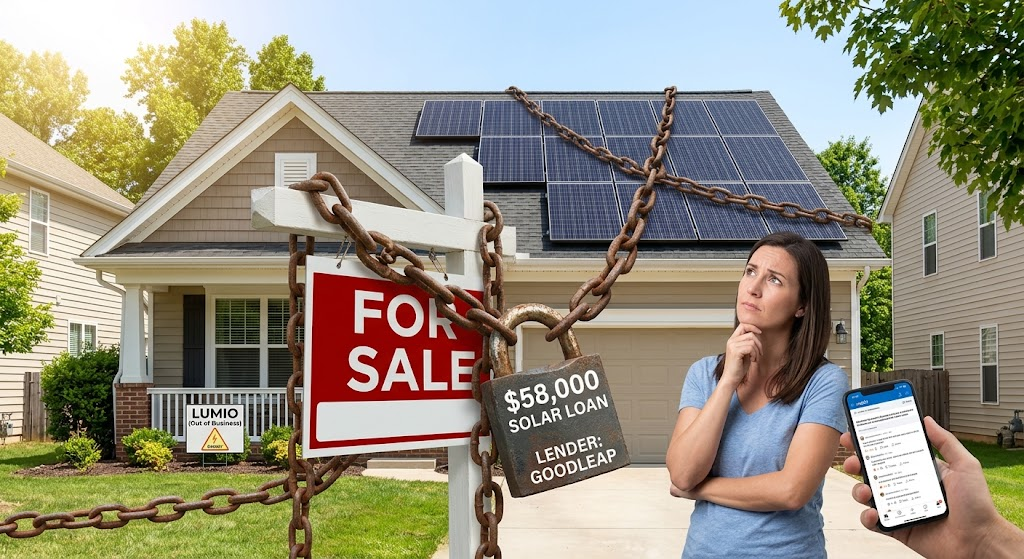
Multiple commenters described painful experiences with fly-by-night solar companies: vendors who disappeared within months of installation, “middleman” companies with no in-house install crew, and one particularly rough story involving a supplier placing a lien on a homeowner’s house after the installer failed to pay its own bills — a legal but brutal situation in some states.
Consumer protection resources back this up as a real, widespread risk in the solar industry, which has seen a wave of installer bankruptcies as incentive structures shifted. A few practical due-diligence steps came up repeatedly in the thread and are echoed by groups like the Better Business Bureau and state consumer protection offices:
- Confirm the company has its own installation and service crew, not just a sales office that subcontracts everything out.
- Ask to see general liability and workers’ compensation insurance — for the company and for every crew member who’ll be on your roof.
- Check the company’s length of time in business, not just its online review score, since a company can rack up glowing reviews and still fold within a year.
- Ask specifically what happens if your inverter or another component fails under warranty: is there a service-level agreement with a defined repair timeline? Is there a spare kept in stock? Are you compensated for lost production while you wait?
- Get multiple quotes. Commenters pointed out that pricing in the solar industry varies wildly between installers for comparable systems, partly because of how installers source equipment in bulk and mark it up.
6. Think About Aesthetics and Roof Planning Early
A smaller but recurring theme: several people wished they’d thought more carefully about where conduit lines would run, which side of the roof panels would face, and how visible the array would be from the street or driveway. If you’re building or doing a major renovation, it’s worth explicitly designing the roofline with solar in mind — for instance, avoiding scattering vent stacks across your best south-facing roof section, since that can make a clean, efficient panel layout nearly impossible later.
Ground-mount systems came up too, especially from people who felt roof constraints (shading, orientation, structural limits) held their production back. If you have the land for it, a ground-mount array can offer more flexibility on angle and orientation than a roof ever will, though it typically costs more per watt to install.
7. Monitor Your System — Don’t Just Set It and Forget It
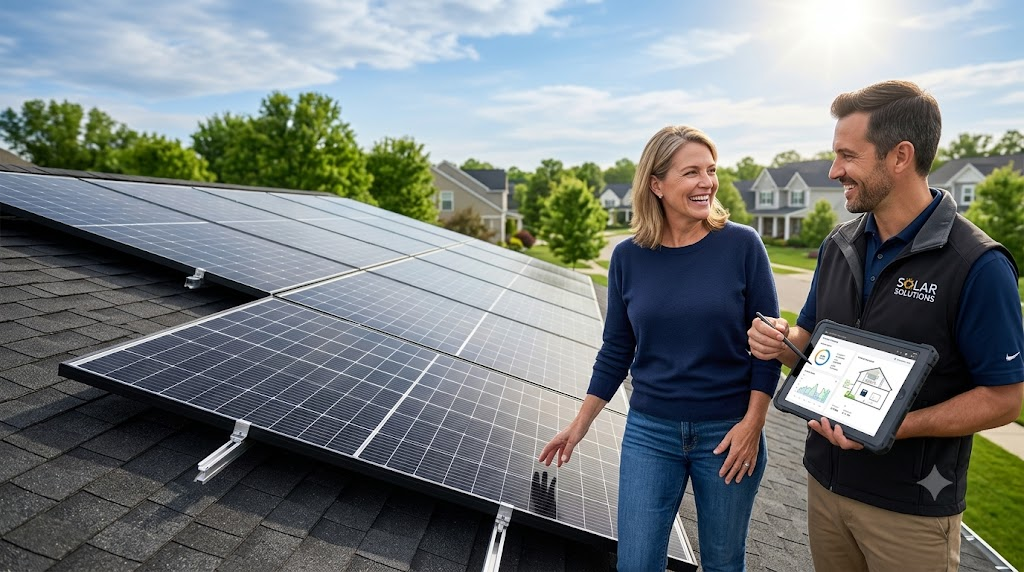
Finally, a theme that’s easy to overlook once the excitement of installation wears off: your solar system needs to be monitored. Almost every residential system comes with a monitoring app or dashboard, but the responsibility for actually checking it typically falls on the homeowner, not the installer. Several commenters pointed out that people can go years with an underperforming or partially failed system — a downed string, a bad optimizer, a tripped breaker — without noticing, simply because they weren’t checking their production data or comparing it against their utility bill.
The fix is simple: check your monitoring app periodically (monthly is a reasonable habit), compare seasonal production to prior years, and if something looks off, call your installer promptly. Most warranties cover the equipment, but they don’t cover lost production you never reported.
Final Thoughts
Solar can be one of the best long-term investments a homeowner makes — cutting or eliminating electric bills, adding resilience during outages when paired with storage, and reducing reliance on a utility whose rates tend to move in one direction over time. But the real-world lessons from people who’ve actually lived with their systems for a few years point to the same core advice again and again: oversize thoughtfully, plan for batteries and future loads from day one, vet your installer thoroughly, and stay engaged with your system after it’s installed rather than assuming it’ll just take care of itself.
If you’re in the planning stages right now, take the time to get multiple quotes, ask hard questions about warranties and company longevity, and check your state’s current net metering rules and incentive programs directly with your utility or state energy office — since, as this year’s changes to the federal tax credit show, the rules underneath your solar investment can and do shift.